Agricultural drone production line & technical services
Build Agricultural Drone Production.
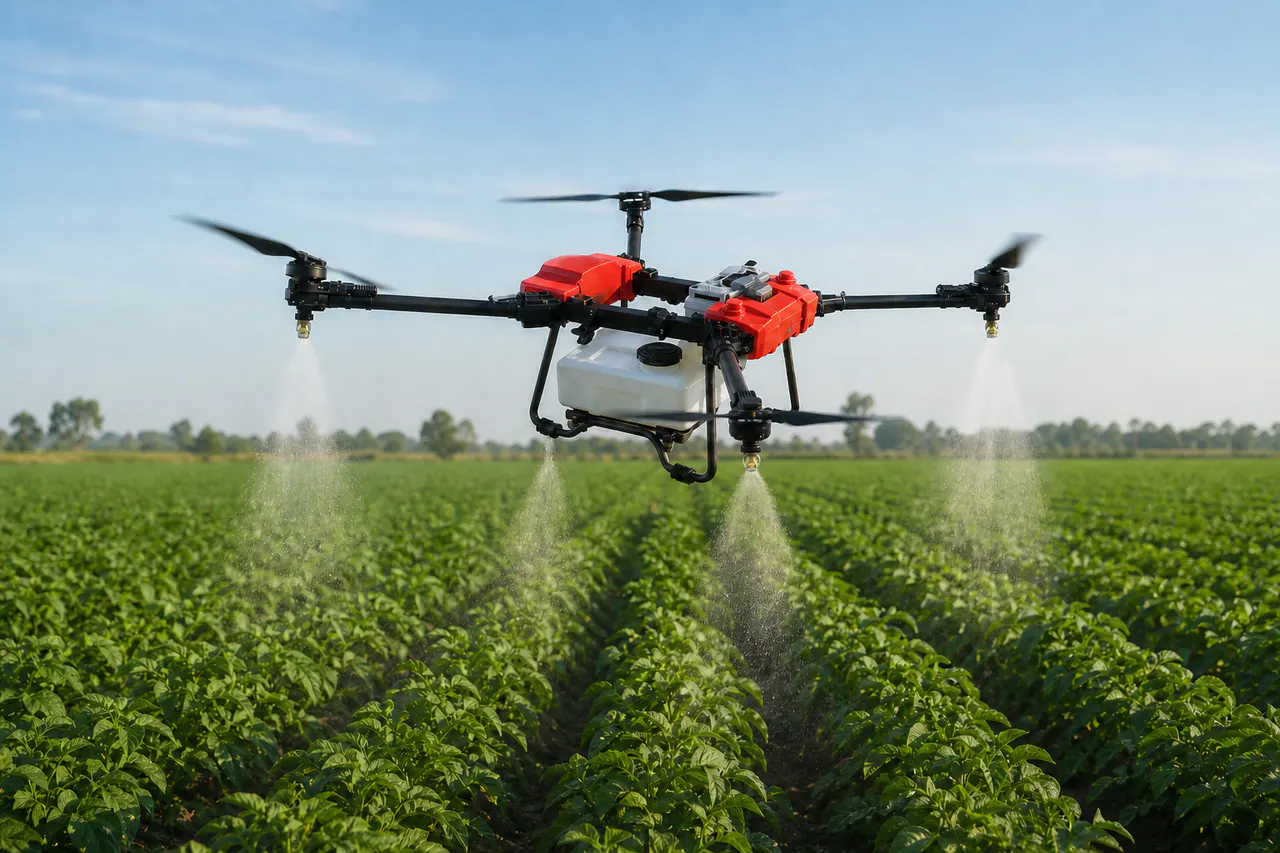
Plan a project-specific agricultural spraying or spreading drone assembly line covering process engineering, equipment, application-system testing, documentation and team training.
Three ways to engage
Final Assembly & Commissioning
Define the airframe, propulsion, tank or spreading system, wiring, calibration and final-test workflow around an approved agricultural drone platform.
- Workstation and line-flow concept
- Agricultural drone assembly instructions
- Tooling and test-equipment list
- Pilot build and commissioning training
Localized Component Production
Add agreed local processes for structures, tanks, landing gear, liquid-system parts or harnesses, together with supplier controls and incoming inspection.
- Localization roadmap by component
- Selected process definition
- Supplier and incoming-quality plan
- Production and inspection documentation
Technical Transfer & Ramp-Up
Structure a phased transfer covering the approved agricultural platform data package, tooling, production validation, team training and ramp-up support.
- Approved technical data package
- Tooling and process transfer
- Train-the-team program
- Ramp-up and quality oversight
Integrated project scope
Agricultural platform definition
Spraying or spreading mission, tank or payload capacity, airframe, propulsion, control system and annual output are converted into a defined project basis.
Assembly process engineering
Frame, arms, landing gear, propulsion, tank, pumps, hoses, nozzles or spreader, wiring and avionics are arranged into a controlled build sequence.
Application-system integration
Liquid-path sealing, pump and flow setup, nozzle configuration, spreading mechanism and related calibration points are defined for the selected platform.
Equipment & fixtures
Assembly tools, torque controls, fixtures, electrical test equipment, calibration tools and facility interfaces are specified within the approved scope.
Assembly line equipment and facility checklist
Testing & acceptance
Incoming inspection, leak and flow checks, electrical safety, calibration, ground testing and agreed flight-test or FAT/SAT criteria are documented.
Documentation & training
The project package can include BOM, drawings, work instructions, inspection records, maintenance information, configuration control and role-based training.
Project delivery framework
- Platform & application review: Confirm spraying or spreading use, target capacity, aircraft configuration, annual output, localization objective and destination market.
- Feasibility & scope: Define responsibilities, selected local processes, deliverables, exclusions, acceptance basis, schedule assumptions and commercial boundaries.
- Line & process design: Prepare workstation flow, agricultural drone assembly sequence, equipment plan, quality gates and the approved documentation package.
- Pilot build & FAT: Build and verify pilot agricultural drone units, check the application system and close identified process issues before factory acceptance.
- Installation & SAT: Support installation, commissioning and site acceptance against the agreed line configuration, calibration method and test plan.
- Training & production ramp: Train production, quality, test and service teams, then support initial output, issue resolution and controlled handover.
Knowledge transfer
Assembly technicians
Airframe, propulsion, tank, pump, hose, nozzle or spreader, wiring and avionics installation using controlled work instructions.
Quality inspectors
Incoming inspection, torque and connection checks, leak and flow verification, traceability, non-conformance handling and release records.
Commissioning & test team
System setup, sensor and flow calibration, ground checks, application-system testing and approved flight-test procedures.
Service & maintenance team
Preventive maintenance, liquid-system cleaning, diagnostics, component replacement, troubleshooting and technical reporting.
Information required for assessment
- Target agricultural drone model, tank or payload capacity and intended crops or application
- Spraying, spreading or combined configuration requirements
- Expected annual output and production ramp-up objective
- Required localization level and locally available manufacturing processes
- Available facility, utilities, workforce and supplier base
- Destination country, target schedule, budget range and applicable regulatory requirements
Frequently asked questions
Which agricultural drone platforms can the line cover?
The scope can be developed around an approved four-, six- or eight-axis spraying or spreading platform. The exact model, capacity, components and test requirements must be confirmed before quotation.
Can one line support more than one tank capacity?
Potentially, when the selected agricultural drone models share compatible processes, tooling and quality controls. The common and model-specific stations are defined during line design.
Are spraying and spreading systems included?
They can be included as approved integration and testing workstreams. Pumps, hoses, nozzles, flow calibration, tanks or spreading mechanisms are specified for the selected configuration.
Are equipment and tooling included?
They can be included in the agreed project scope. The final equipment list, fixtures, utilities and procurement responsibilities are confirmed after the production target and facility review.
Do you provide production and maintenance training?
Training can cover agricultural drone assembly, inspection, calibration, ground and flight testing, application-system maintenance, troubleshooting and production management. Duration and location are confirmed in the contract scope.